
What is Pita Bread?
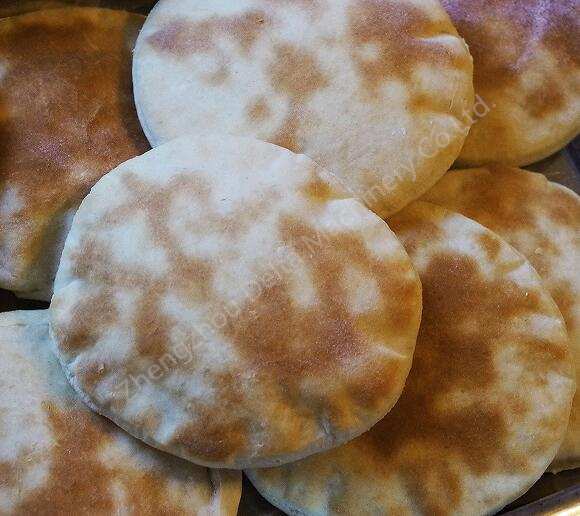
It is a type of flatbread,it is made from simple ingredients such as flour, water, yeast, salt, and sometimes sugar or honey for a hint of sweetness. The dough is typically rolled out into rounds and then baked at high temperatures, causing it to puff up and form a hollow pocket in the center.
The pocket in pita bread makes it particularly versatile for various uses. It can be stuffed with meats, vegetables, falafel, or dips like hummus and tzatziki, serving as a wrap or sandwich bread. Alternatively, it can be cut into wedges and used as a scoop for dipping into soups, stews, or spreads. Pita bread is also commonly toasted or grilled before being used to add crunch and texture to dishes.
Nutritionally, pita bread provides carbohydrates, some protein, and a small amount of fiber. However, its nutritional value may vary depending on the specific recipe and whether it’s made with whole grain or refined flour.
In many cultures, pita bread holds significant cultural and culinary importance, especially in Greek, Turkish, Lebanese, and Israeli cuisines, among others. Its popularity has spread globally, making it a widely recognized and enjoyed food item worldwide.
How to enjoy or eat pita bread?
It can be enjoyed in a variety of ways depending on the meal or snack you’re having. Here are several common ways to eat or use pita:
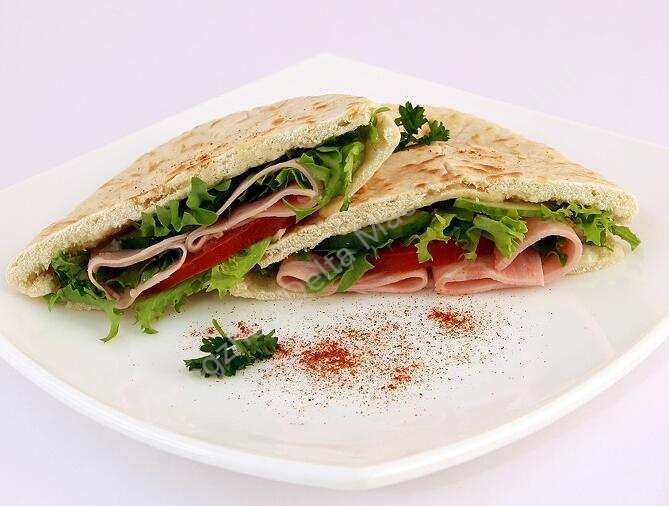
- As a Pocket: Warm pita bread often forms a natural pocket when cooked. You can slice this pocket open and fill it with your choice of ingredients to make a sandwich. Popular fillings include sliced meats, grilled chicken, falafel, tabbouleh salad, lettuce, tomatoes, cucumbers, onions, and sauces like tahini or tzatziki.
- As a Wrap: Flatten a piece of pita bread and use it as a wrap around fillings like shawarma, gyros, or even vegetarian options like grilled veggies or halloumi cheese.
- Dipping: Cut pita bread into triangles or strips and serve them alongside dips like hummus, baba ganoush, muhammara, or tzatziki for an appetizer or snack.
- Toasted: Toast or grill pita bread until crispy and use it to scoop up stews, such as lentil soup, or dips for a crunchy textural contrast.
- Breakfast: In some countries, pita is eaten with breakfast; it might be filled with eggs, cheese, or za’atar (a Middle Eastern spice blend) for a savory start to the day.
- Breadbasket: Serve plain or lightly seasoned pita bread as part of a breadbasket during meals, to be torn apart and used to mop up sauces and gravies.
- Snack: Pita chips are another popular way to enjoy pita bread. Simply cut pita into smaller pieces, brush with olive oil, and bake until crispy. They can be served with dips or on their own as a crunchy snack.
In a word,pita bread is quite versatile, so feel free to get creative and adapt it to your personal taste preferences!